

SPEECH ANALYSIS decoding speeches and public debates
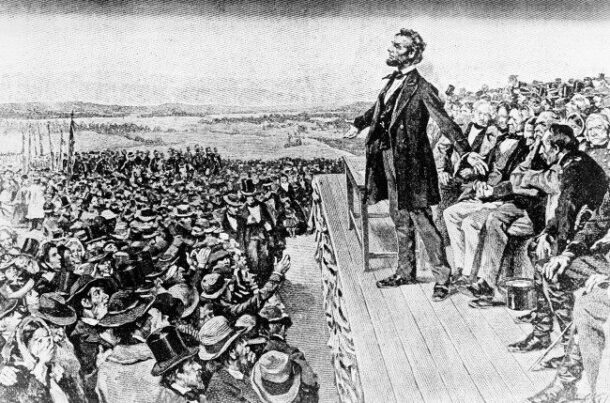
Abraham Lincoln – Gettysburg Address
Lincoln's Gettysburg Address delivers three timeless lessons: the power of brevity, the elevation of poetic language, and the persuasive force of repetition.
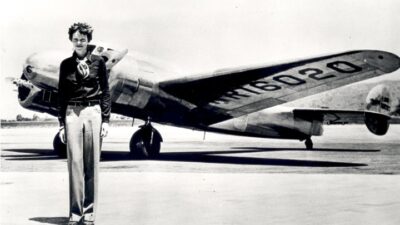
Amelia Earhart Speech (A Woman’s Place in Science)
Earhart's 1935 speech delivers three sharp lessons: build from small to bold, make it personal, and close with a powerful challenge.
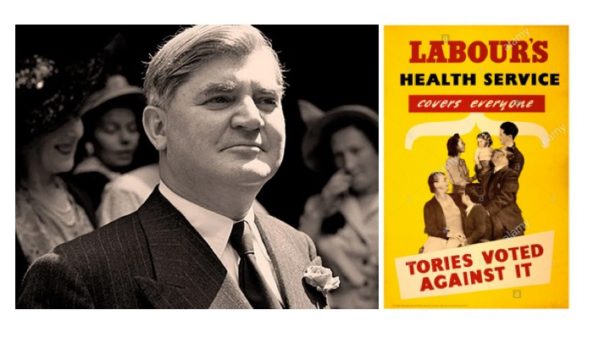
Aneurin Bevan speech (They are lower than vermin)
Bevan's 1948 speech masters three techniques: blending personal conviction with political principle, switching register to build credibility, and deliberately inviting public confrontation…

Angela Merkel Communication (the 2020s can be good years)
Merkel's 2020 address excels through inclusive language, logical issue-linking, ethical conviction on climate, and a sandwich technique wrapping policy between praise.
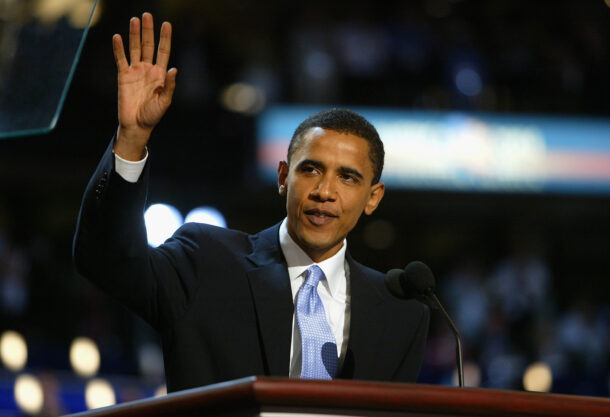
Barack Obama Speech (The Audacity of Hope)
Obama's career-launching 2004 address succeeds through elevated but unifying language, borrowed credibility, vivid concrete detail, personal storytelling, and masterful rhetorical techniqu…
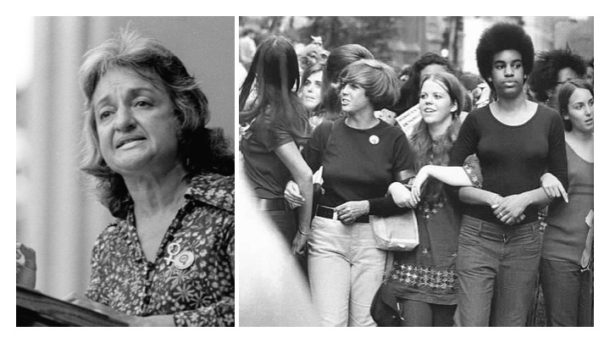
Betty Friedan (don’t iron while the strike is hot!)
Friedan's 1970 farewell masterfully seizes an unlikely platform, articulates bold dissatisfaction, and ignites a revolutionary call to action that mobilised thousands.
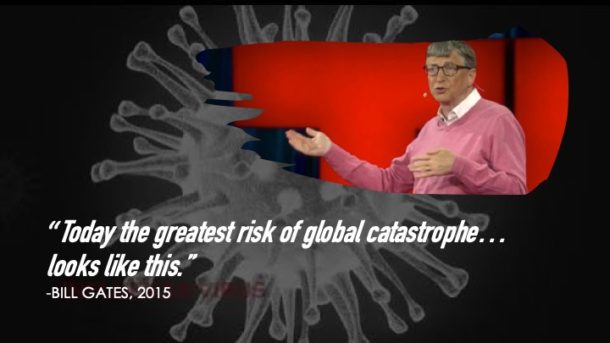
Bill Gates Speech (not missiles but microbes)
Gates' 2015 TED Talk earns high credibility marks but falters through platform limitations, an absent call to action, and overly calm delivery.
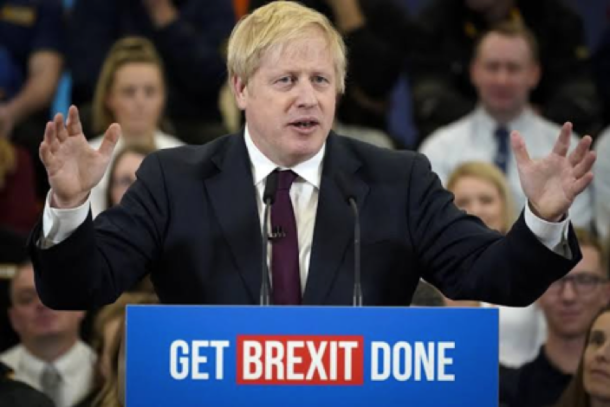
Boris Johnson Speech (Get Brexit Done!)
Johnson's Brexit campaign speech deploys relentless rhetorical technique: hypophora, metaphor, anaphora, tautology masking circular logic beneath crowd-fuelled, expertly honed oratorical p…
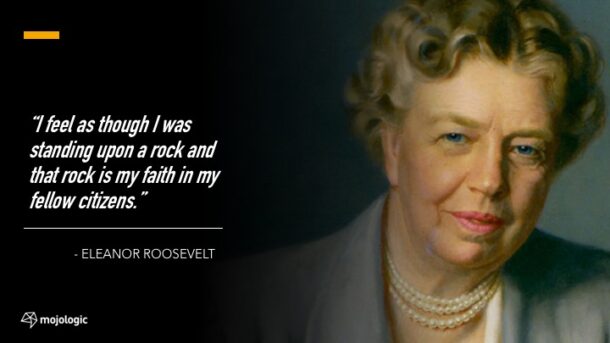
Eleanor Roosevelt – Broadcast communication (we know what we have to face)
Eleanor Roosevelt's Pearl Harbor address masterfully combines calm reassurance, perfect timing, direct maternal connection with women, and a powerful patriotic ethical appeal.
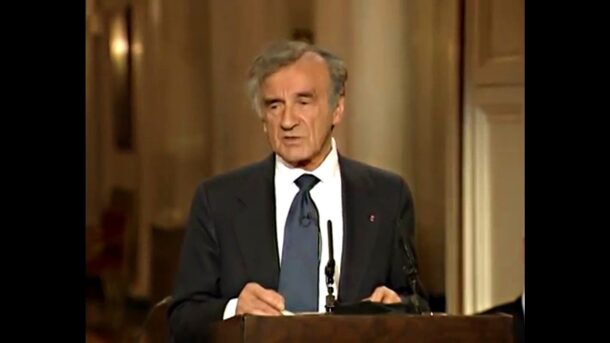
Elie Wiesel: The Perils of Indifference (Speech)
Wiesel's 1999 White House address harnesses perfect timing, unimpeachable personal ethos, courageous historical honesty, and a coherent circular structure to condemn indifference powerfull…
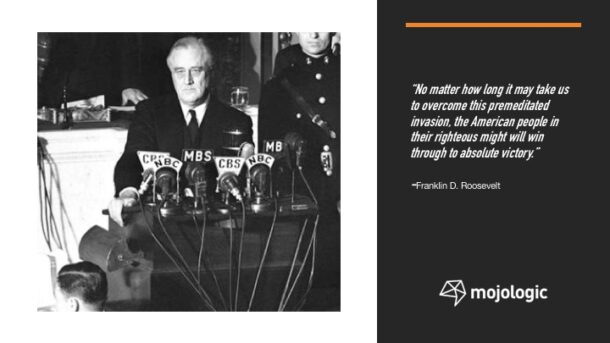
Franklin Roosevelt Speech (a day that will live in infamy)
The Pearl Harbor address succeeds through grave, measured delivery, controlled anger, strategic alliteration, and a dual purpose of national reassurance and congressional persuasion.
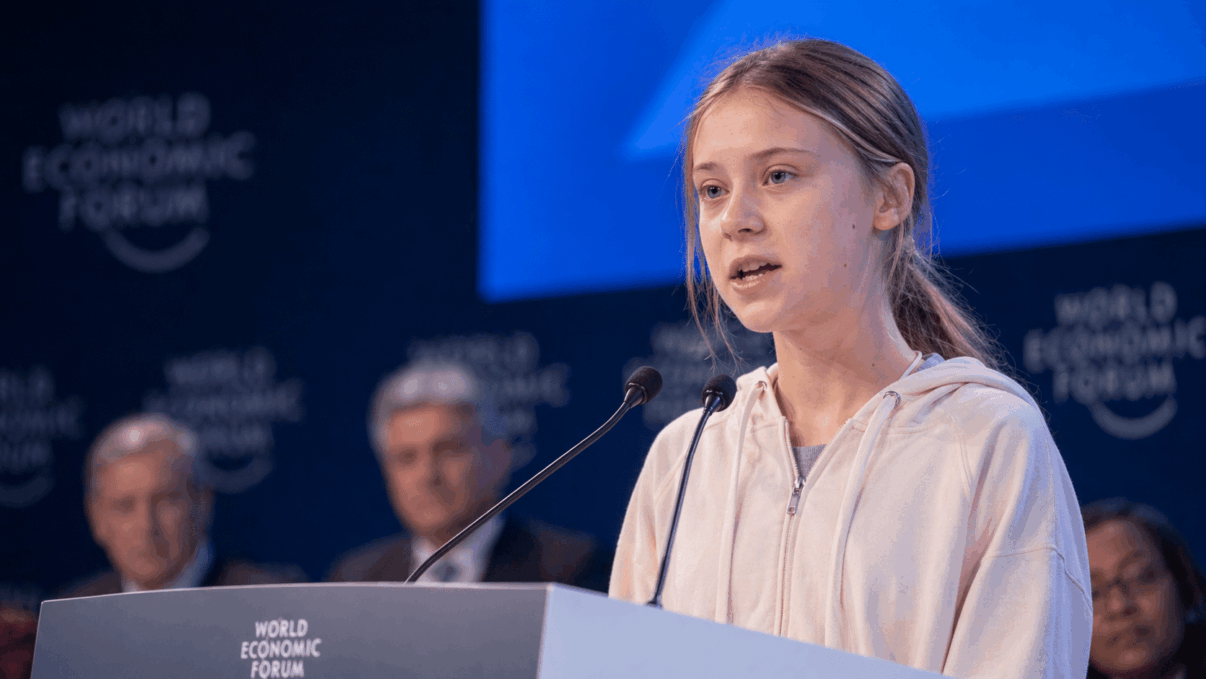
Greta Thunberg (Our house is on fire)
Thunberg's Davos address weaponises a house-on-fire metaphor, role reversal, unambiguous demands, behavioural credibility, and Cialdini's consistency principle to condemn climate inaction.
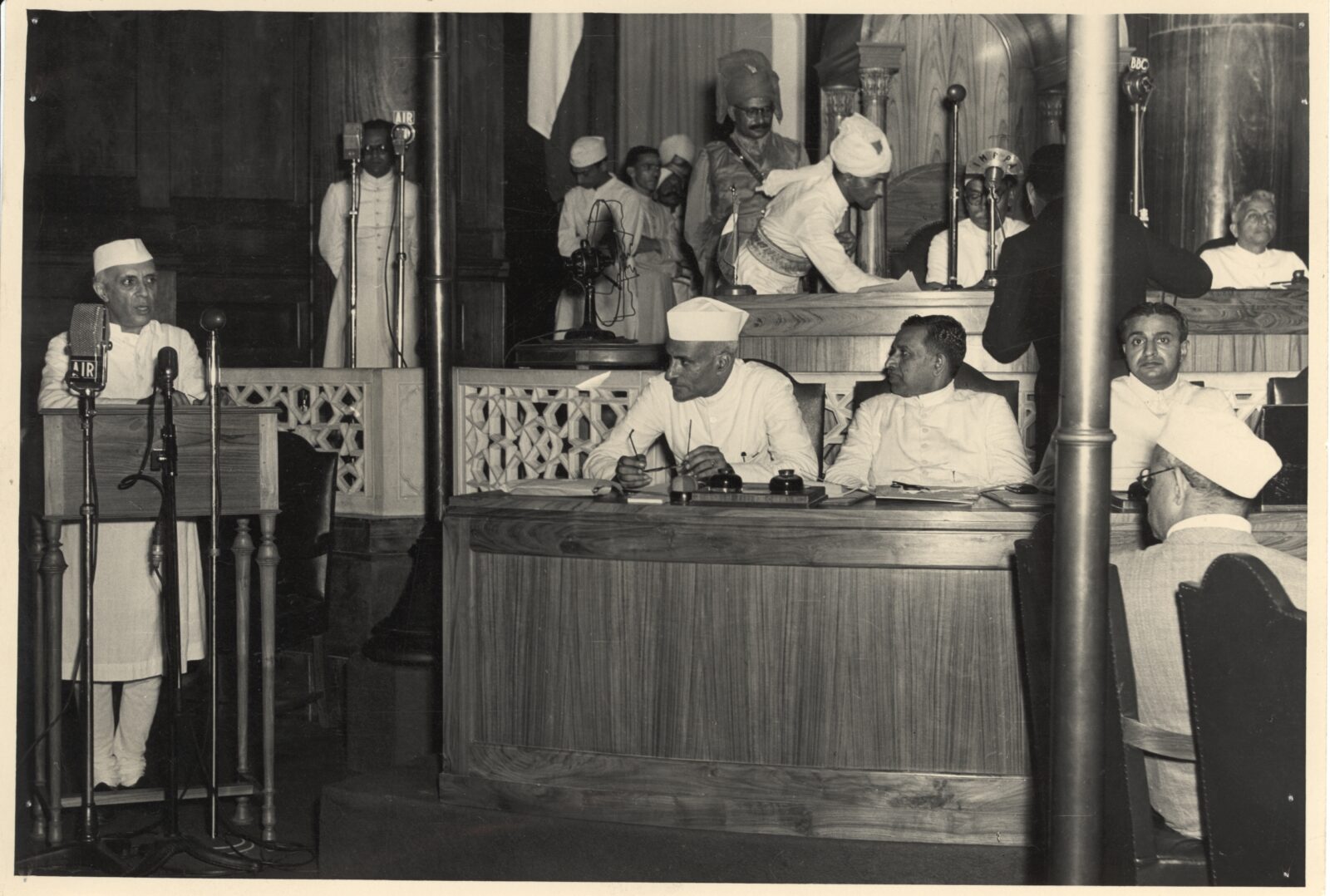
Jawaharlal Nehru: ‘A Tryst with Destiny’
Masterfully uses contrast, appeals to high ideals, and proves that brevity amplifies impact. Three timeless lessons for every modern leader.
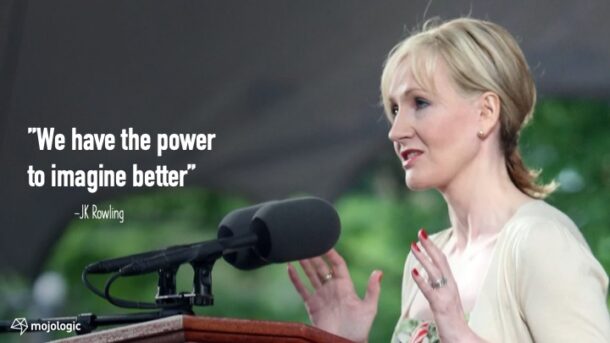
JK Rowling Speech (Fear of failure)
Rowling's Harvard address wins through disarming self-deprecation, stoic-inspired themes of failure and imagination, profound ethical appeal, and skilful emotional tension release
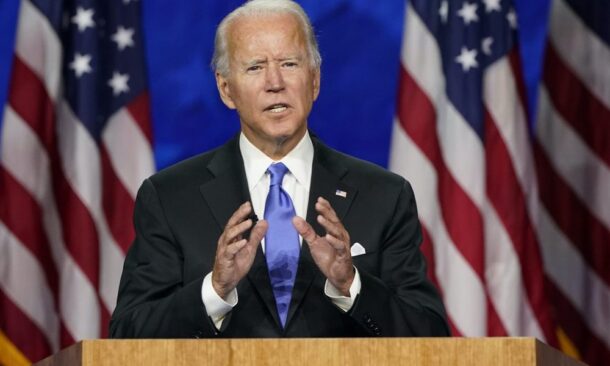
Joe Biden Speech (A message of unity)
Biden's convention address succeeds through cross-partisan unity signalling, empathy-driven ethos building, strategic bursts of fire, presidential stagecraft, and patriotic historical anch…

Joe Marler (Hey horsey, do you wanna have a drink?)
Marler's joyful one-minute sports address delivers accidental rhetorical brilliance through a gloriously mixed metaphor, confident delivery, onomatopoeia, and an audience left utterly deli…
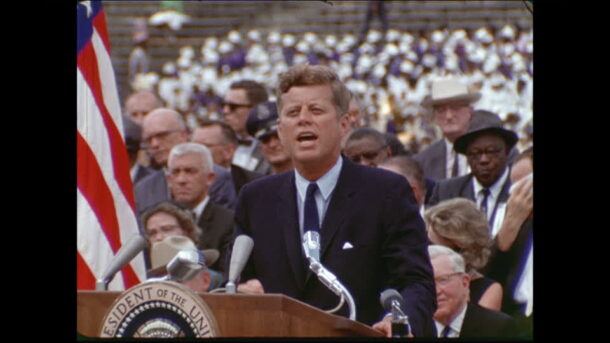
John F. Kennedy Speech (We choose to go to the moon)
Kennedy's moon speech soars through patriotic pioneering appeal, ambitious condensed-history metaphor, layered ocean and mountain imagery, and a charismatic high formal style.
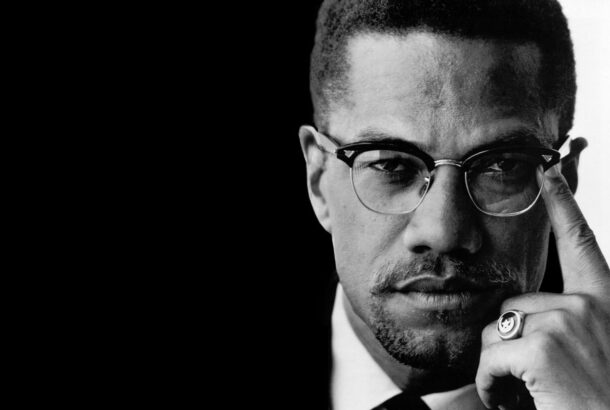
Malcolm X Speech (The Ballot or the Bullet)
Malcolm X's landmark address commands through laser-focused audience targeting, bold position declaration, hypnotic repetition and rhythm, and strategically deployed humour to sustain enga…
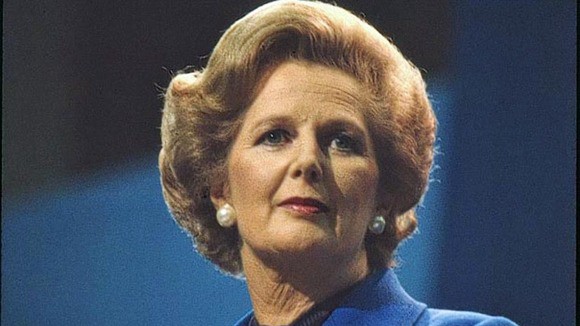
Margaret Thatcher (the lady’s not for turning)
Thatcher's defining 1980 address showcases unwavering ideological conviction, sharp off-the-cuff wit, selective metaphor use, deliberate recognition of others, and logos-heavy flawed reaso…
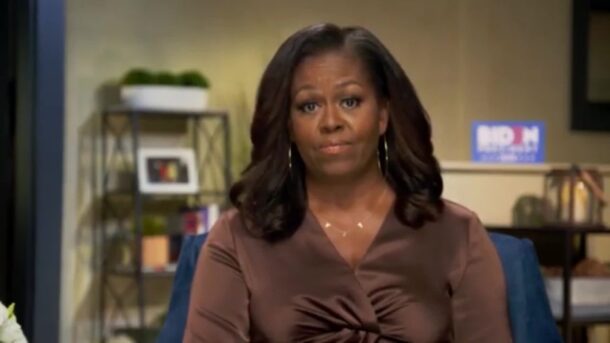
Michelle Obama Speech (Donald Trump is the wrong president for our country…)
Obama's DNC address harnesses sustained emotional pathos, empathy-as-performance, a resurrected signature refrain, and intimate virtual delivery to make one compelling argument — vote.
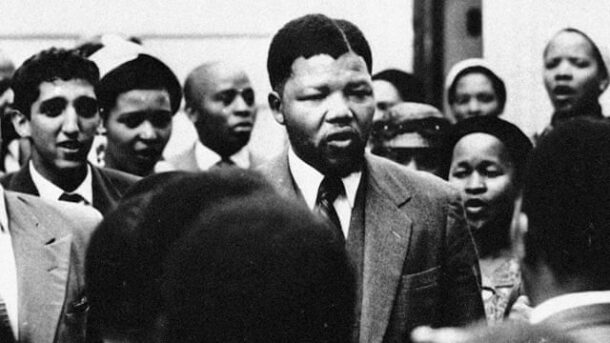
Nelson Mandela Speech (An ideal for which I am prepared to die)
Mandela's trial address commands through deliberate sparse language, stark contrast painting injustice vividly, and an ethos of fearless conviction that transcends the courtroom.
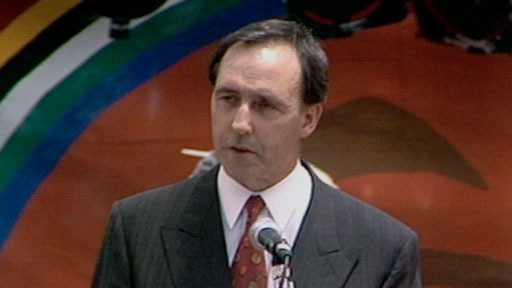
Paul Keating speech (The Redfern speech)
Keating's Redfern address achieves rare power through a perfectly chosen context trifecta, unflinching collective accountability, and dual anaphora demanding both confession and empathy.
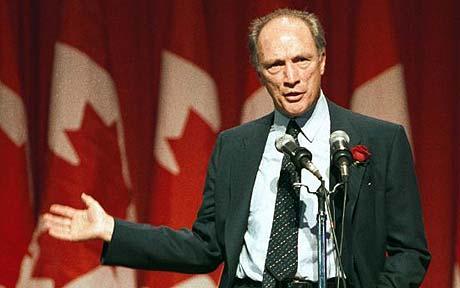
Pierre Elliott Trudeau speech (tonight I’m stepping down as your leader)
Trudeau's 1984 farewell radiates natural charisma, bilingual federalist ethos, proud legacy listing, intimate family warmth, and a characteristically combative final rallying cry.
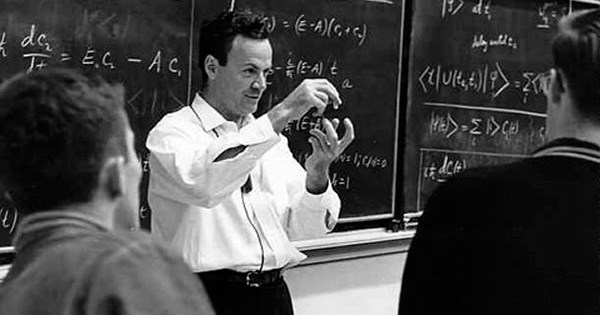
Richard Feynman Speech (The Scientific Method)
Feynman captivates by simplifying complexity and conveying contagious intellectual curiosity. He uses perfectly deployed humour to make the science genuinely irresistible.
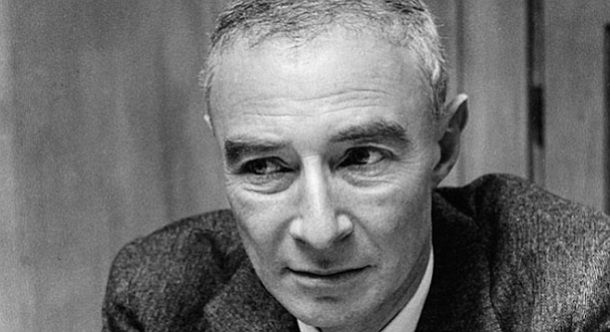
Robert Oppenheimer speech (the very existence and value of science is threatened)
Oppenheimer's 1945 warning masterfully builds from gentle qualifiers to bold contention, strategically concedes counterarguments, and anchors his ethical appeal in scientists' shared value…
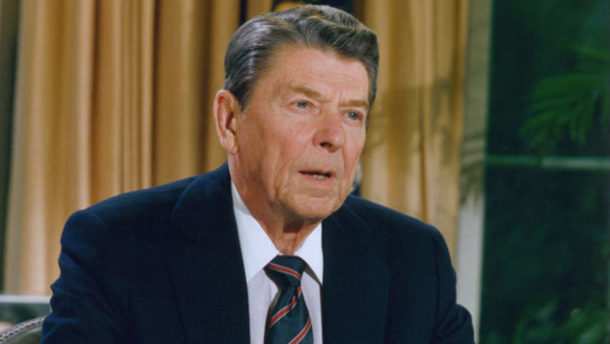
Ronald Reagan speech (I have slipped the surly bonds of earth)
Reagan's Challenger address masterfully balances grief-driven pathos, purposeful pioneering narrative, a direct aside to children, Cold War ethos, and borrowed poetic transcendence.
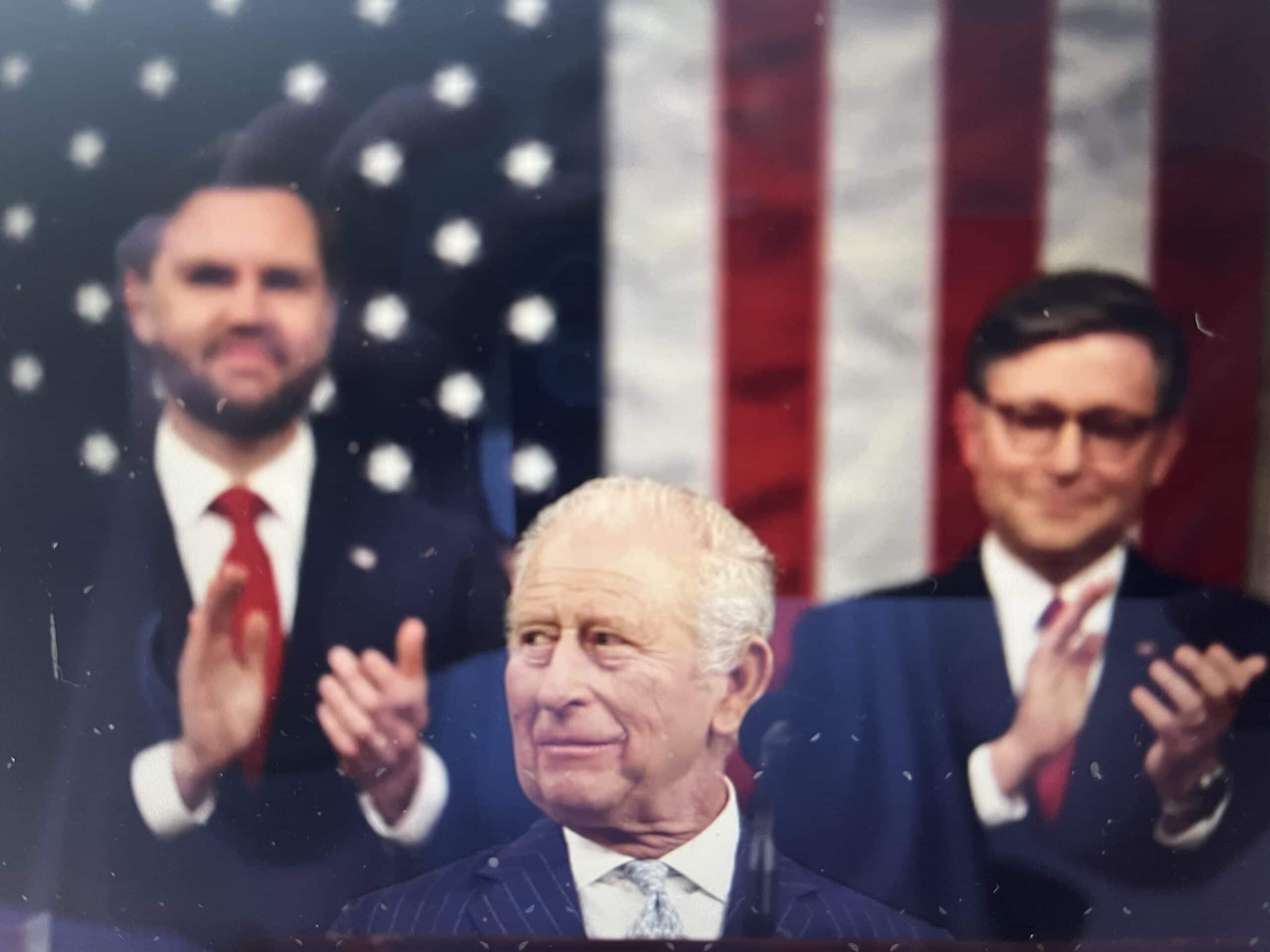
The King’s Speech: A Very British Message
King Charles III delivered his address to Congress in Washington DC on 29 April 2026. On the surface it was a speech of warmth, continuity and shared history. Beneath that surface, however…
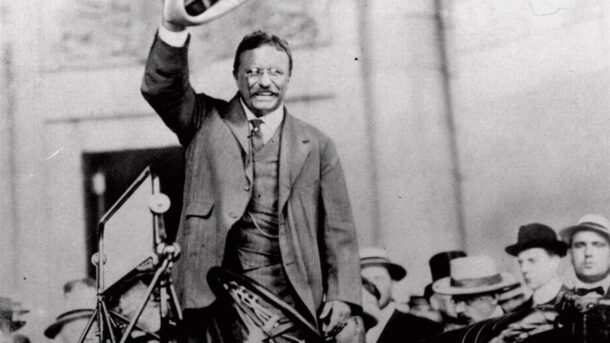
Theodore Roosevelt Speech (The Man in the Arena)
Roosevelt's Man in the Arena endures through a singular, electrifying appeal to character, an erudite rallying cry against complacency that transcends time and context.

Tim Minchin Speech (9 Life Lessons)
Minchin's UWA address succeeds through sharp audience awareness, self-deprecating credibility, nine genuinely original life lessons, and a masterful blend of vulgarity and intellect.
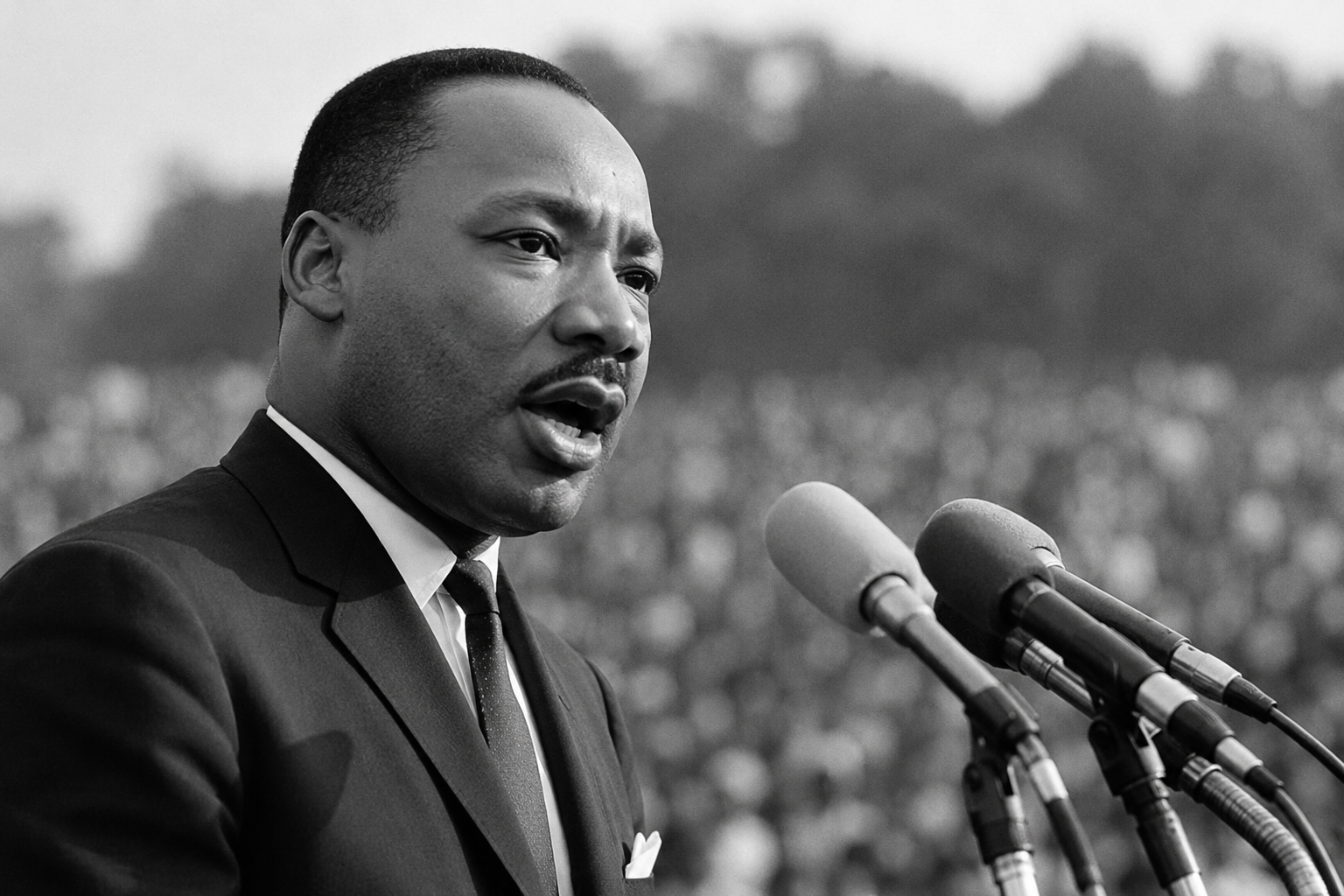
What Martin Luther King Jr Teaches us about evocative language
Vivid language = deep resonance Ask any group to name their top three speeches of all time and I Have a Dream by Martin Luther King Jr will almost always be mentioned. There is so much…
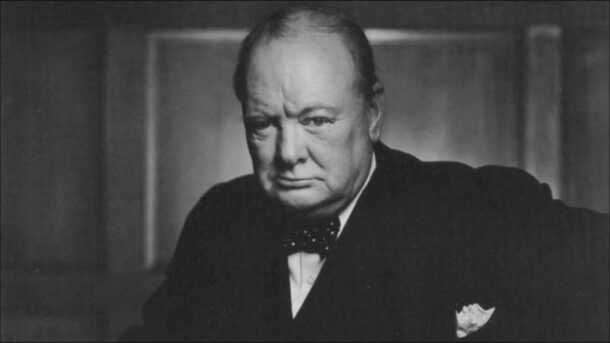
Winston Churchill Speech (On the beaches)
A 1940 masterpiece builds through deliberate slow-to-soaring momentum, lyrical poetic cadence, vivid battlefield imagery, and pitch-perfect timing to forge unbreakable national resolve.